

Medicine Guides
Coralcal DX 600 mg Price in Bangladesh: Uses and Safety
Coralcal DX 600 mg combines calcium and vitamin D to support bone health. Learn how it works, common side effects, and when you should see a doctor.
7 min read
We are actively adding and checking records. If something is missing or looks wrong, please tell us, our team is working through reports. Report it
Learn how Fexo treats allergies and hives in Bangladesh. Discover proper dosage guidelines for Fexo 120, potential side effects, and fruit juice interactions.

Fexo is one of the most frequently recommended non-drowsy antihistamines in Bangladesh for controlling symptoms of seasonal allergies and chronic skin conditions. Containing the active generic ingredient fexofenadine, it helps patients manage persistent sneezing, runny nose, itching, and red hives without causing heavy sedation.
Fexo belongs to a class of medications known as second-generation H1-receptor antagonists. When your immune system encounters an allergen such as dust, pollen, or animal dander, it releases chemical messengers called histamines. Histamines attach to specific receptors on peripheral tissues, causing blood vessels to dilate, fluid to leak into surrounding tissues, and nerve endings to trigger itching or inflammation.
Unlike older first-generation antihistamines, fexofenadin does not readily cross the blood-brain barrier. This specialized anatomical barrier protects the central nervous system while filtering systemic circulation. Because fexofenadin remains primarily in the peripheral bloodstream, it blocks histamine receptors throughout the respiratory tract and skin without causing significant central nervous system depression. As a result, users generally experience effective allergy relief without the heavy fatigue or impaired alertness associated with older anti-allergy drugs.
For individuals suffering from severe or recurrent seasonal allergic reactions, consulting an allergist (allergy and immunology specialist) is often the best path toward long-term management. An expert can confirm whether your symptoms stem from environmental triggers or underlying immune sensitivities that require targeted therapy alongside daily antihistamine use.
Fexo is primarily prescribed for two main allergic conditions: allergic rhinitis and chronic idiopathic urticaria. Allergic rhinitis, commonly referred to as hay fever, can occur seasonally when airborne pollen counts spike or perennially in response to indoor dust mites and animal dander. Symptoms include continuous sneezing, an itchy nasal passage, throat irritation, and congested sinus passages.
Chronic idiopathic urticaria presents as red, raised, intensely itchy welts on the skin that appear without an obvious external cause and persist for weeks. Fexo helps flatten these hives and reduce localized skin discomfort. Patients experiencing persistent or unexplained skin eruptions can benefit from seeing a dermatologist to rule out autoimmune triggers or contact dermatitis.
Additionally, allergic airway responses frequently co-occur with lower respiratory conditions. Patients who experience seasonal wheezing alongside nasal congestion may also consult an asthma specialist to ensure their upper and lower airway issues are managed cohesively.
Fexo is produced in several pharmaceutical strengths to accommodate different age groups and clinical indications. The most commonly prescribed formulations in Bangladesh are 60 mg, 120 mg, and 180 mg oral film-coated tablets. The choice of dosage depends on the specific condition being treated, the severity of symptoms, and the patient's age and kidney function.
For standard allergic rhinitis, a single daily dose of fexo 120 mg is frequently recommended for adults and adolescents aged 12 years and older. This strength provides consistent 24-hour symptom control while maintaining a low incidence of adverse effects. For skin allergy conditions like chronic hives, healthcare providers often prescribe the 180 mg formulation once daily to deliver stronger peripheral tissue blockade.
It is crucial to swallow tablets whole with a full glass of water. Avoid taking fexofenadine tablets with fruit juices such as orange, apple, or grapefruit juice. Scientific research published by the National Center for Biotechnology Information demonstrates that compounds in fruit juices inhibit organic anion-transporting polypeptides (OATP), which significantly decreases the intestinal absorption and bioavailability of fexofenadine.
The following comparison table outlines standard adult dosage schedules commonly used in clinical practice across Bangladesh. Always consult a physician or pharmacist to determine the appropriate dose for your specific medical needs.
| Tablet Strength | Primary Indication | Typical Adult Frequency | Dietary Guidance |
|---|---|---|---|
| 60 mg | Seasonal Allergic Rhinitis / Mild Hives | Twice daily (every 12 hours) | Take with plain water; avoid fruit juices within 2 hours |
| 120 mg | Seasonal Allergic Rhinitis | Once daily (every 24 hours) | Take with plain water; avoid fruit juices within 2 hours |
| 180 mg | Chronic Idiopathic Urticaria (Hives) | Once daily (every 24 hours) | Take with plain water; avoid fruit juices within 2 hours |
Although Fexo is well tolerated by most individuals, occasional side effects may occur. Most adverse effects are mild and resolve spontaneously as the body adapts to the medication.
Patients taking antacids that contain aluminum or magnesium hydroxide should schedule their antacid dose at least two hours apart from taking fexofenadin. Antacids can bind to the active molecule in the digestive tract, preventing full systemic absorption and diminishing its therapeutic effectiveness.
If you take other concurrent medications for pain or fever, such as when reading about paracetamol in Bangladesh safe doses brand names and when to see a doctor, fexofenadine generally presents minimal risk of direct chemical interaction. However, always verify combination therapies with a licensed healthcare practitioner.
In Bangladesh, fexofenadine hydrochloride is manufactured under various trusted brand names by leading pharmaceutical companies. The medication is widely accessible in retail pharmacies across urban and rural regions in tablet and pediatric suspension formulations.
Among the primary manufacturers, Square Pharmaceuticals Ltd produces the widely recognized Fexo brand in 60 mg, 120 mg, and 180 mg strengths, as well as oral suspension for children. Another prominent manufacturer supplying quality anti-allergy formulations throughout the country is ACME Laboratories Ltd. When purchasing medications, ensure the blister packaging is intact, check the expiration date, and consult with the pharmacist regarding proper storage away from excess heat and moisture.
While non-drowsy antihistamines effectively manage routine allergic episodes, certain clinical situations require prompt professional evaluation. If your allergic symptoms persist for more than two consecutive weeks despite regular use of fexo 120 mg or higher strengths, seek medical advice to re-evaluate the diagnosis.
Immediate emergency care is required if you exhibit signs of a severe systemic allergic reaction known as anaphylaxis. Warning signs include sudden swelling of the lips, tongue, or throat, severe difficulty breathing, high-pitched wheezing, or widespread hives accompanied by lightheadedness. Do not rely solely on oral antihistamines for acute anaphylaxis, as emergency medical intervention is critical in life-threatening allergic emergencies.
Coralcal DX 600 mg combines calcium and vitamin D to support bone health. Learn how it works, common side effects, and when you should see a doctor.
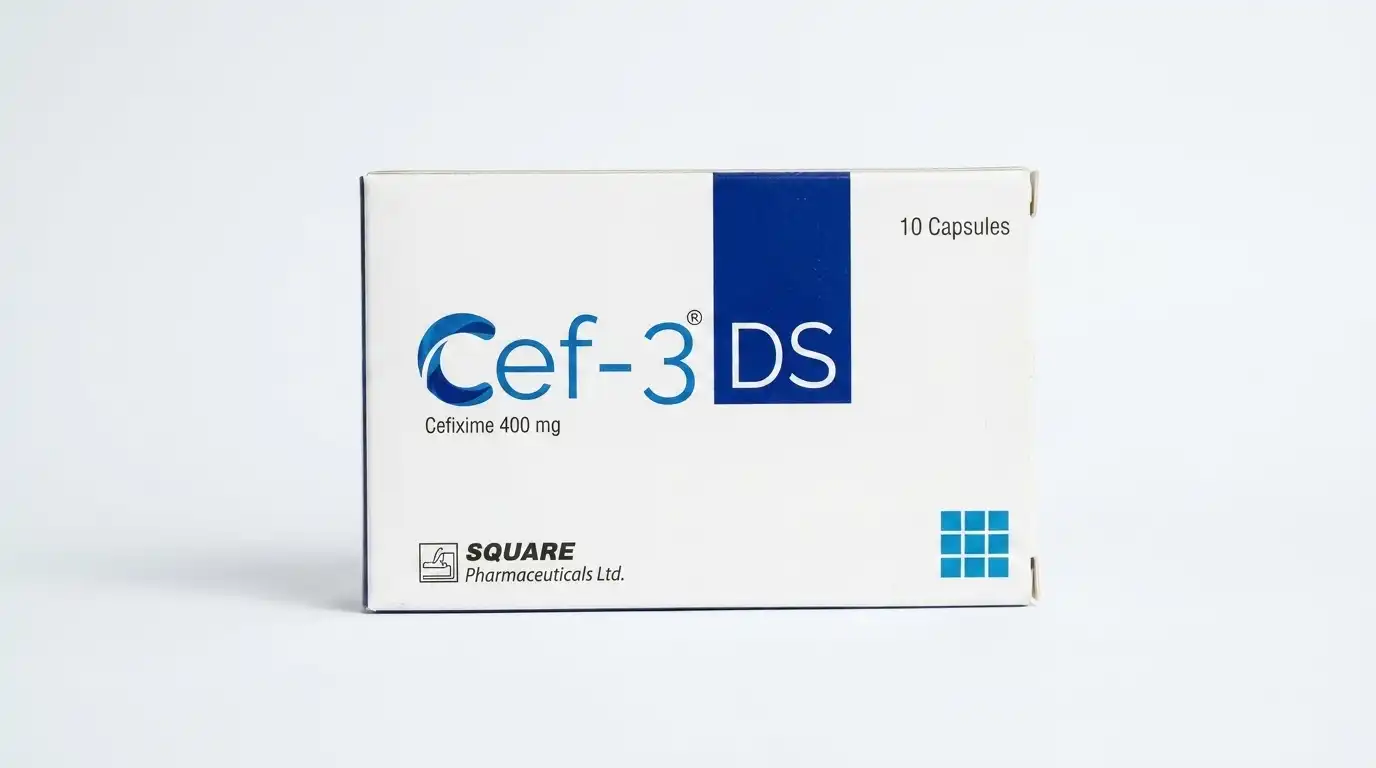
Many people search Cef 3 400 mg price before buying, but it is more important to know what this antibiotic is, how to take capsule or syrup, and when to see a doctor.
Fenadin 120 mg price in Bangladesh, uses, dose, side effects and safety tips. Learn how this fexofenadine allergy tablet helps sneezing, sinus and dust allergy.