
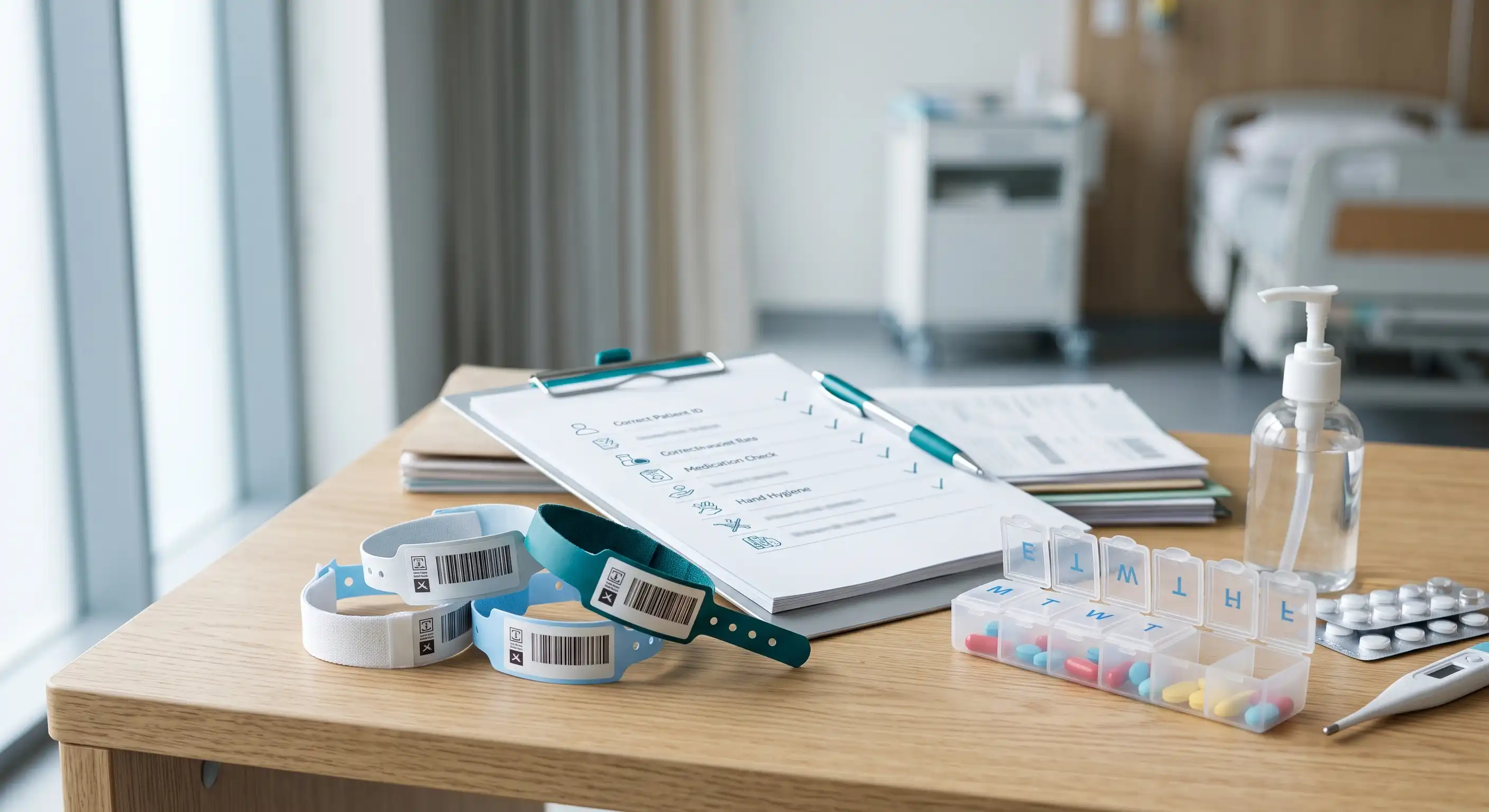
World Patient Safety Day is observed every year on 17 September to draw global attention to the fact that healthcare, while intended to help, can sometimes cause preventable harm. The day brings together patients, families, health workers, hospital leaders, policymakers and civil society to promote safer care, reduce avoidable errors and build a culture where safety is everyone’s responsibility.
History
World Patient Safety Day was officially established in 2019 by the World Health Assembly, the decision-making body of the World Health Organization (WHO). The resolution reflected growing recognition that unsafe care is a major cause of death and disability worldwide, especially in low and middle income countries, and that coordinated action is needed to improve safety in all health facilities.
Before its formal establishment, patient safety had become an important theme within WHO’s work, as evidence showed that millions of patients are harmed every year by medication errors, unsafe injections, hospital-acquired infections, surgical mistakes and failures in communication. By creating a dedicated global day, WHO and member states aimed to give visibility to these problems, share solutions and encourage every health system to make safety a core priority.
Since 2019, World Patient Safety Day has been observed annually on 17 September with a new theme each year, focusing on areas such as safe maternal and newborn care, medication safety, health worker safety, patient engagement and digital health. The colour orange is used as the campaign colour to symbolize alertness, visibility and caution in all aspects of patient care. Landmarks and hospitals in many countries are lit up in orange to mark the day.
Why it matters
Unsafe care is a hidden epidemic. Studies suggest that hundreds of millions of patients are affected by harm related to healthcare each year, with a large share occurring in hospitals and primary care settings. Many of these events are preventable, including wrong or duplicated medicines, mislabelled laboratory samples, surgery on the wrong site, avoidable blood transfusion reactions, pressure sores, falls in hospitals and infections linked to poor hand hygiene or unsterile procedures.
The impact is wide-ranging: longer hospital stays, disability, financial hardship, loss of trust in the health system and, in many cases, death. For health workers, involvement in a serious safety incident can cause moral distress and burnout. World Patient Safety Day emphasizes that investing in safety – through training, system design, teamwork and open reporting – protects both patients and health professionals.
Key strategies for improving patient safety include using safety checklists in surgery and procedures, standardizing high-risk processes such as medication prescribing and administration, ensuring proper hand hygiene and infection prevention practices, clear communication during handovers, and encouraging staff to report near misses and errors without fear of blame. Equally important is involving patients and families as partners in their own care: asking questions, confirming their identity, knowing their medicines and sharing concerns if something seems wrong.
Key facts
Global mandate
- World Patient Safety Day was established by the World Health Assembly in 2019 as one of WHO’s official global health days.
Scale of harm
- millions of patients worldwide are harmed each year by unsafe care
- including medication errors
- hospital-acquired infections and surgical complications.
Priority areas
- common focus areas include medication safety
- surgical safety
- infection prevention and control
- safe childbirth
- safe use of medical devices and strong incident reporting systems.
Campaign colour
- orange is used as the campaign colour to symbolize alertness and caution in all aspects of patient care.
In Bangladesh
In Bangladesh, patient safety is an increasingly important topic as both public and private health services expand and more people seek care in hospitals, clinics and diagnostic centres. Challenges such as overcrowded facilities, heavy workloads for doctors and nurses, variable infection control practices and limited reporting of medical errors can increase the risk of avoidable harm.
However, awareness is growing. Many tertiary and teaching hospitals have started adopting basic patient safety practices such as surgical safety checklists, hand hygiene campaigns, safe injection practices and protocols for infection prevention and control. Professional bodies and training institutions are gradually including patient safety, communication skills and ethical practice in their curricula for doctors, nurses and other health workers.
On World Patient Safety Day, hospitals, medical colleges, nursing institutes and professional associations in Bangladesh often organize seminars, awareness sessions and discussion programs. Themes include safe medication use, prevention of hospital-acquired infections, respectful maternity care, ensuring correct patient identification and strengthening teamwork in operating theatres and intensive care units.
For patients and families, a key message is that they can and should be active partners in their care. This includes bringing an updated list of medicines, informing the care team about allergies, checking that their name and details are confirmed before procedures, asking what a test or treatment is for and speaking up if something feels unsafe. A respectful environment, where health workers welcome patient questions, is at the heart of a safer health system.
Frequently asked questions
- When was World Patient Safety Day established?
- World Patient Safety Day was established by the World Health Assembly in 2019 as one of the official global health days of the World Health Organization. It is observed every year on 17 September.
- What colour represents World Patient Safety Day?
- Orange is used as the campaign colour for World Patient Safety Day. It symbolizes alertness, visibility and caution in all aspects of patient care, and many hospitals and landmarks are lit up in orange to mark the day.
- How can patients and families help improve patient safety?
- Patients and families can help by keeping an updated list of medicines, informing the care team about allergies, checking that their name and details are confirmed before procedures, asking questions if they do not understand a test or treatment, and speaking up politely if something feels unsafe or unusual.