
Medicine Guides
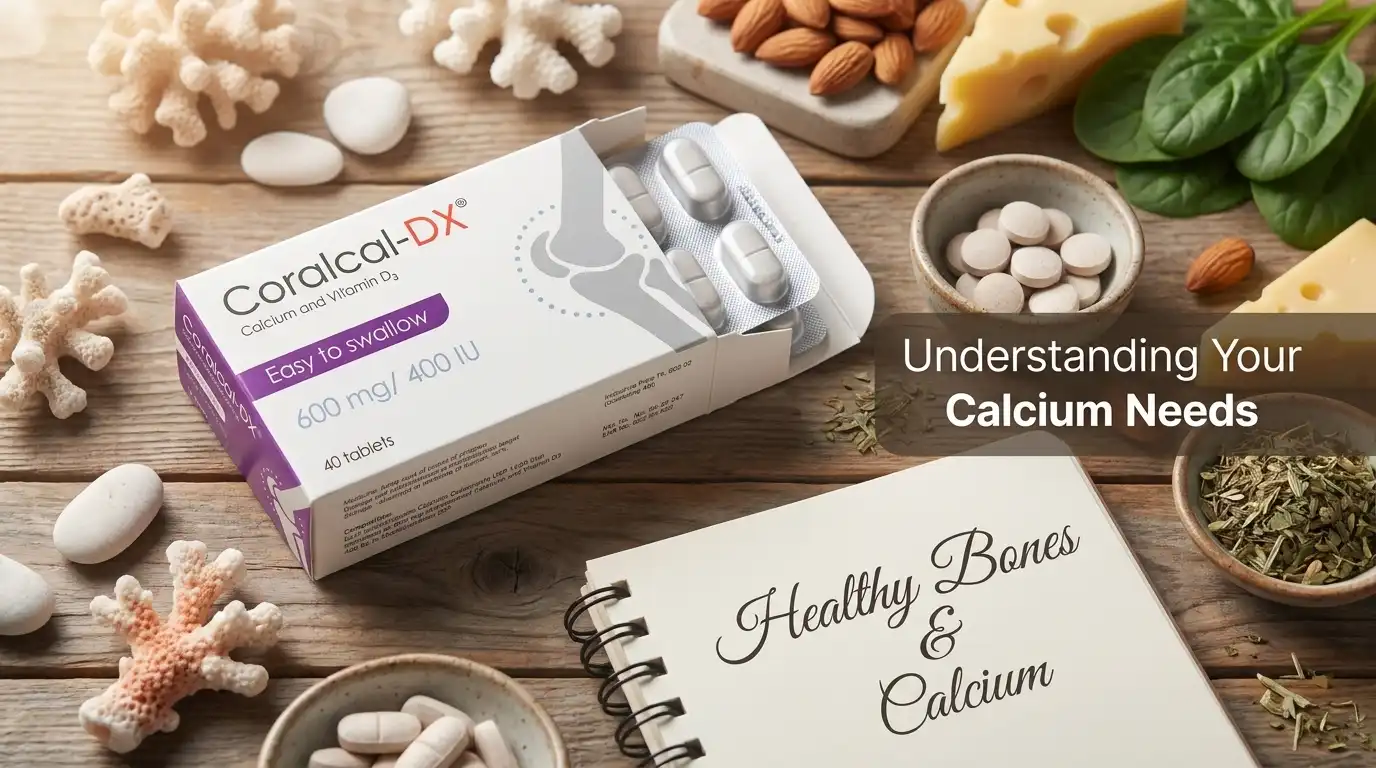
Coralcal DX 600 mg Price in Bangladesh: Uses and Safety
Coralcal DX 600 mg combines calcium and vitamin D to support bone health. Learn how it works, common side effects, and when you should see a doctor.
7 min read
We are actively adding and checking records. If something is missing or looks wrong, please tell us, our team is working through reports. Report it
Learn about Paracetamol (Napa, Panadol): uses, dosage, safety, and side effects. Find dosing guides, and understand risks and when to seek medical help.

Paracetamol is a widely used pain reliever and fever reducer, known as acetaminophen in the United States. This guide explains Paracetamol (Napa, Panadol): uses, dosage, safety, and side effects in plain language, including adult doses, weight-based dosing, common tablet strengths, overdose risk, pregnancy use, and when to get medical help.
Important: This article is for general medical information only. Always follow your local product label and ask a clinician or pharmacist for advice that fits your age, weight, health conditions, pregnancy status, and other medicines.
Paracetamol is an analgesic and antipyretic medicine, meaning it helps reduce mild to moderate pain and lower fever. It is commonly used for headache, toothache, muscle aches, period pain, sore throat discomfort, fever, and symptoms linked with colds or flu. In many countries, it is sold as tablets, capsules, liquids, suppositories, and combination cold-and-flu products.
Common brand names include Napa, Napa Rapid, Panadol, Panadol Extra, Paracet 500 mg, and ACE. You may also see terms such as napa paracetamol, ace paracetamol, paracetamol BP 500mg, paracetamol tablet, paracetamol pills, panadol tablets, or even “panadols” in everyday speech. The active ingredient is what matters most: check that the label says paracetamol or acetaminophen.
Many standard products contain paracetamol 500mg per tablet or caplet. Some products are labeled paracetamol 1000 mg or paracetamol 1000mg, often as a single higher-strength tablet or sachet depending on the market. Modified-release products may contain paracetamol 665mg, which releases medicine more slowly and must be swallowed whole, not crushed or chewed.
Combination products need extra care. Panadol Extra and some paracetamol extra products may contain paracetamol plus caffeine, while products marketed as panadol for cold and flu may contain other ingredients such as decongestants or antihistamines. Read every label so you do not accidentally double-dose paracetamol from two different medicines.
For most adults and children aged 12 years and older, a typical immediate-release paracetamol dosage is 500 mg to 1000 mg every 4 to 6 hours as needed. The usual maximum total is 4,000 mg in 24 hours from all paracetamol-containing products combined, and many clinicians advise lower limits for some people, especially those with liver disease, low body weight, heavy alcohol use, or other risk factors.
A practical way to think about paracetamol dose for adults per day is this:
If using 500 mg tablets, do not exceed 8 tablets in 24 hours unless your clinician gives different instructions.
If using 1000 mg doses, leave at least 4 to 6 hours between doses and do not exceed 4 doses in 24 hours.
If using 665 mg modified-release tablets, follow that product’s specific label. One common regimen is 2 caplets every 6 to 8 hours, up to 6 caplets in 24 hours.
Do not combine Napa, Panadol, Paracet, ACE, cold-and-flu medicine, and prescription pain medicine unless you have checked the active ingredients.
The usual paracetamol dose per kg for children is 10 to 15 mg/kg per dose, given every 4 to 6 hours as needed, with daily limits depending on age, product, and local guidance. Many labels limit children to no more than 4 or 5 doses in 24 hours, and babies or very young children should only receive it with appropriate medical advice.
For example, a 20 kg child may receive 200 mg to 300 mg per dose if the product label and clinician advice match that range. Use the measuring syringe supplied with liquid medicine, not a kitchen spoon. Never estimate from adult tablets unless a clinician or pharmacist confirms the correct dose.
Paracetamol can be taken with or without food and should be swallowed with water. Use the lowest effective dose for the shortest time needed. If pain lasts several days, fever persists, symptoms worsen, or you need repeated dosing, get medical advice rather than simply continuing.
Safe-use checklist:
Check the active ingredient on every medicine packet.
Keep a written note of dose times if taking several medicines.
Avoid taking more than one paracetamol-containing product at once.
Do not crush modified-release 665 mg tablets.
Avoid extra alcohol, and seek advice if you have liver disease or alcohol dependence.
Store medicines away from children.
Paracetamol side effects are uncommon when taken correctly, but they can occur. Possible problems include nausea, rash, itching, allergic reaction, and, rarely, serious skin reactions or liver injury. Stop taking it and seek urgent medical help if you develop swelling of the face, lips, tongue, or throat, trouble breathing, widespread rash, blistering, severe vomiting, confusion, yellowing of the skin or eyes, dark urine, or severe upper abdominal pain.
Taking too much paracetamol can cause severe liver damage, liver failure, and death. A potentially toxic single overdose is often described as 150 mg/kg or more, roughly 7.5 g to 10 g in many adults, but serious harm can occur at lower amounts in high-risk people. The fatal dose of paracetamol is not a safe or predictable number; any suspected overdose needs urgent medical assessment, even if the person feels well at first.
Call emergency services, a poison center, or go to an emergency department if someone has taken more than the label allows, mixed products accidentally, or taken paracetamol intentionally. Bring the packets, remaining tablets, and a note of times and amounts.
Ask a doctor or pharmacist before use if you take warfarin or other medicines affected by bleeding risk, anti-sickness medicines such as metoclopramide or domperidone, flucloxacillin, enzyme-inducing seizure medicines, or regular alcohol. Also seek advice first if you have liver or kidney disease, are underweight, are older and frail, or have had an allergy to paracetamol.
If you take several medicines, it is also important to understand how medicines can affect one another. See Understanding drug interactions for more information.
Paracetamol is safe in pregnancy when used as directed and is widely considered a preferred pain reliever during pregnancy, but it should still be used only when needed, at the lowest effective dose, and ideally after discussion with a clinician.
Paracetamol is useful, familiar, and effective when the dose is right. Whether you choose Napa, Napa Rapid, Panadol, Paracet 500 mg, ACE, or another brand, the safety rule is the same: count the total paracetamol from every product, follow local labeling, and ask a clinician or pharmacist if you are unsure.
Coralcal DX 600 mg combines calcium and vitamin D to support bone health. Learn how it works, common side effects, and when you should see a doctor.
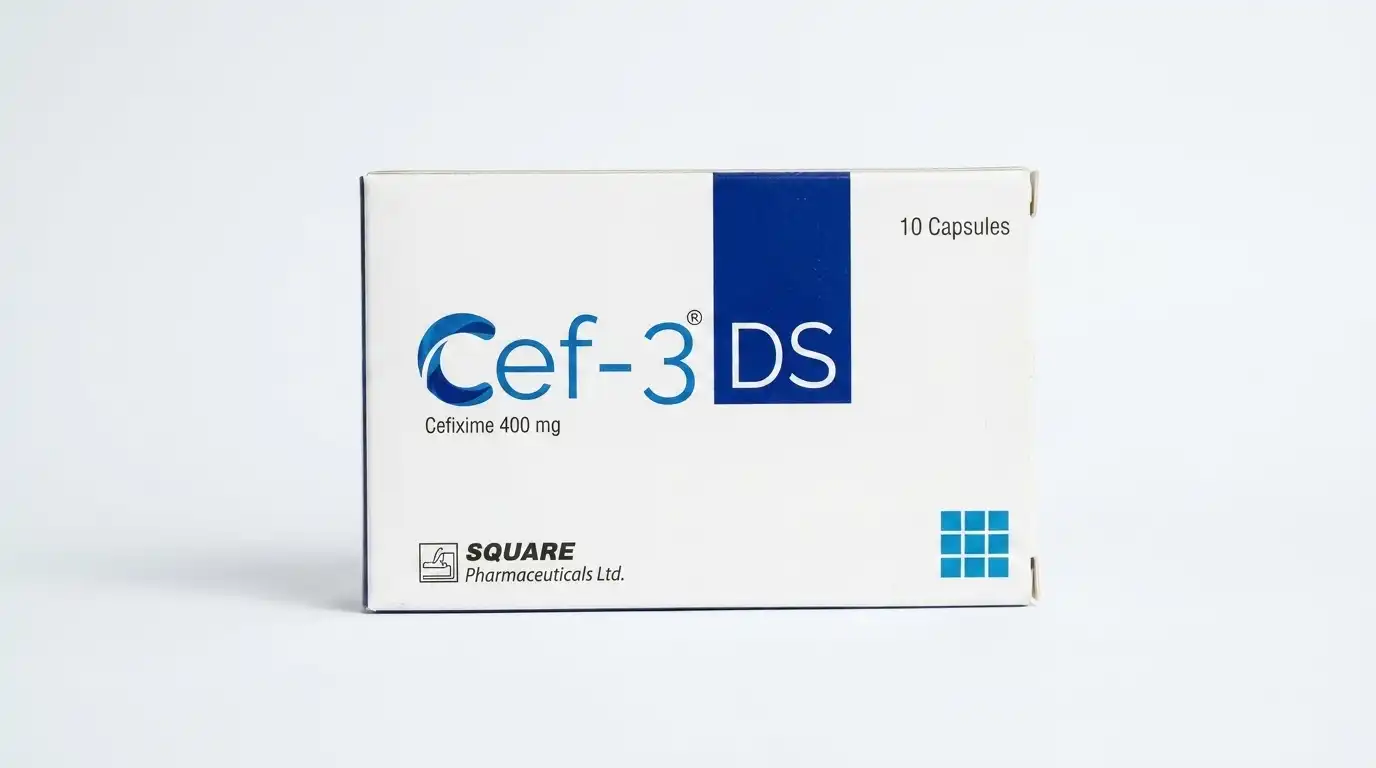
Many people search Cef 3 400 mg price before buying, but it is more important to know what this antibiotic is, how to take capsule or syrup, and when to see a doctor.
Fenadin 120 mg price in Bangladesh, uses, dose, side effects and safety tips. Learn how this fexofenadine allergy tablet helps sneezing, sinus and dust allergy.