
drug int
ORS in diarrhoea: what actually matters
Dehydration is what kills in diarrhoea, not the germ. How to make ORS correctly, when antibiotics are pointless, and the signs that mean hospital now.
1 min read
We are actively adding and checking records. If something is missing or looks wrong, please tell us, our team is working through reports. Report it
Learn how drug interactions work, their health risks, and key prevention tips. Discover how medications, foods, and supplements interact to keep you safe.
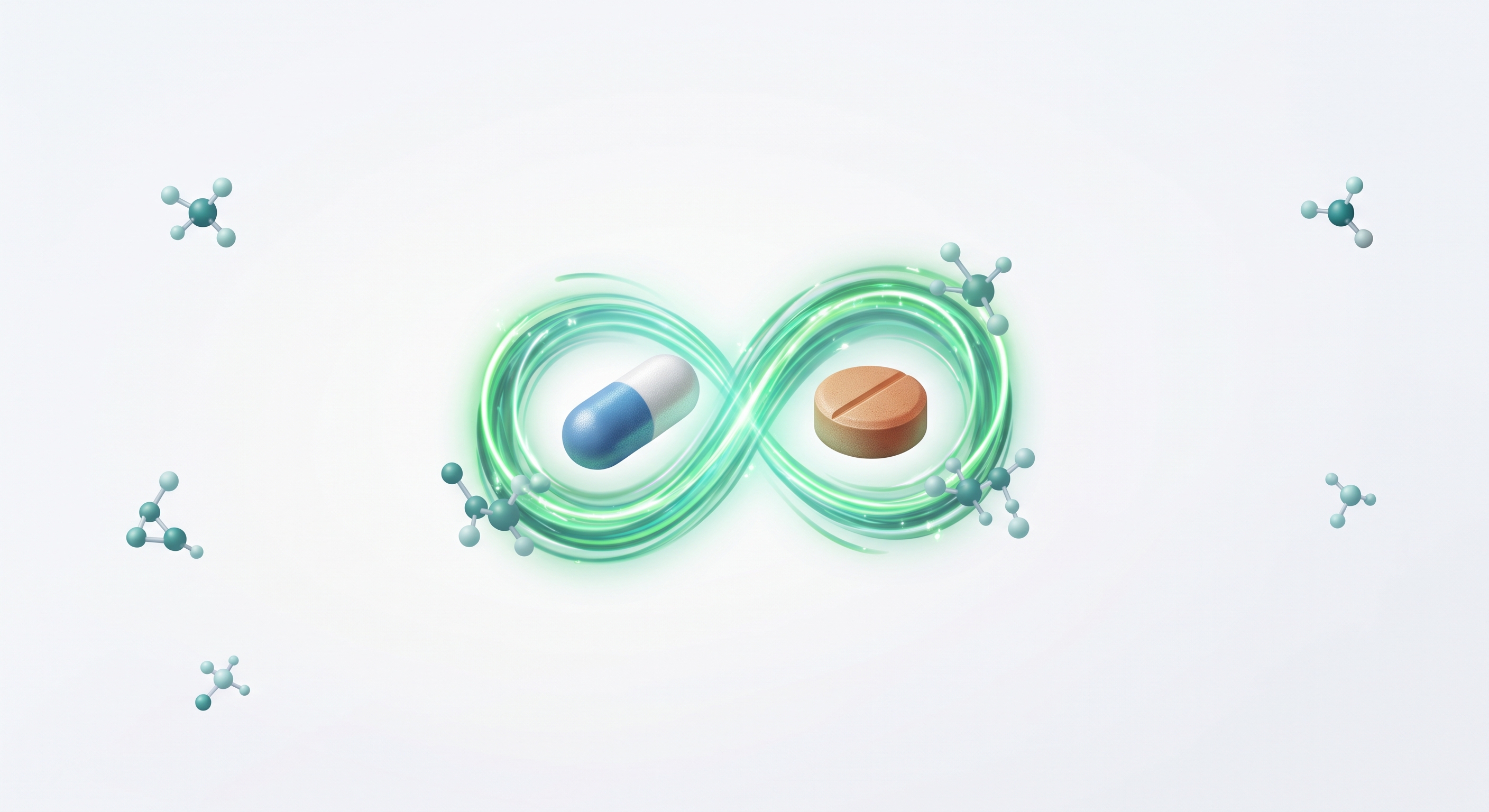
Understanding drug interactions is essential for safe medication management. Discover how these interactions can impact your health and what you need to know to protect yourself.
Drug interactions occur when the effects of one drug are altered by the presence of another drug, food, beverage, or supplement. These interactions can either enhance or diminish the effectiveness of a medication or cause unexpected side effects.
A drug interaction can be a complex phenomenon influenced by how your body processes medication, the timing of administration, and individual characteristics such as age, weight, and overall health.
Pharmacokinetic Interactions: These affect the absorption, distribution, metabolism, or excretion of a drug (how the body processes the medication).
Pharmacodynamic Interactions: These influence the direct effect of the drug on the body or target organs.
Drug interactions can occur with prescription medications, over-the-counter (OTC) drugs, dietary supplements, and herbal products. Communicating everything you take to your healthcare provider is crucial to optimizing your treatment outcomes.
Interaction TypeDescriptionExampleDrug-DrugOccurs when two or more medications react with one another.Combining two sedative medications, leading to severe drowsiness or respiratory depression.Drug-FoodOccurs when foods or beverages alter how a drug is absorbed or metabolized.Drinking grapefruit juice while taking certain statins, which blocks drug metabolism enzymes and increases blood levels of the drug.Drug-SupplementOccurs when vitamins, minerals, or herbal products interfere with medications.Taking St. John’s Wort alongside antidepressants, which speeds up drug metabolism and reduces efficacy.
Polypharmacy: Taking multiple medications simultaneously—a situation particularly common among older adults managing chronic health conditions.
Underlying Health Conditions: Diseases affecting organ function (such as liver or kidney disease) impair the body's ability to clear drugs, increasing toxicity risks.
Lifestyle Factors: Habits like alcohol consumption or specific dietary choices can alter drug absorption or compound side effects like sedation.
Drug interactions range from mild, temporary discomfort to severe, life-threatening complications:
Reduced Medication Efficacy: Antacids taken with certain antibiotics can prevent the antibiotic from absorbing properly, leading to prolonged illness or treatment failure.
Increased Side Effect Severity: Combining blood thinners with nonsteroidal anti-inflammatory drugs (NSAIDs) significantly elevates the risk of internal gastrointestinal bleeding.
Severe Adverse Reactions: Dangerous complications like anaphylaxis or serotonin syndrome require immediate emergency medical care.
Proactive management is the best defense against harmful interactions.
Maintain an Updated Medication List: Keep a comprehensive record of all prescription drugs, OTC items, vitamins, and supplements you use.
Follow Dosing Instructions: Pay strict attention to timing and dietary instructions (e.g., "take on an empty stomach").
Consult Before Adding Products: Always check with a clinician or pharmacist before starting a new OTC drug or herbal remedy.
Utilize Interaction Checkers: Online tools can help identify potential issues, though they should supplement—not replace—professional medical advice.
Your healthcare team serves as your primary line of defense:
Pharmacists: Specialize in identifying chemical interactions, evaluating drug regimens, and explaining safe administration techniques.
Physicians & Providers: Tailor prescriptions to your specific health profile, adjust dosages, and monitor ongoing safety through regular follow-ups.
Health Systems: Modern electronic prescribing systems automatically flag known interactions before a prescription is even filled.
Case 1: The Blood Thinner & Pain Reliever
A patient taking a prescribed blood thinner added an OTC NSAID for joint pain. The combination led to severe gastrointestinal bleeding, requiring emergency intervention.
Case 2: Cholesterol Medication & Grapefruit Juice
A patient taking cholesterol-lowering medication regularly drank grapefruit juice. The juice inhibited the enzyme responsible for breaking down the drug, causing toxic buildup that resulted in muscle pain and liver strain.
Case 3: Antidepressants & Herbal Sleep Aids
A patient combined a prescription antidepressant with an OTC herbal supplement for sleep. This triggered serotonin syndrome, resulting in agitation, rapid heart rate, and severe high blood pressure.
Managing your health requires vigilance and open dialogue with medical professionals. By keeping an accurate medication list, adhering to administration instructions, and double-checking new supplements with your pharmacist, you can minimize risks and ensure your treatments remain safe and effective.
Dehydration is what kills in diarrhoea, not the germ. How to make ORS correctly, when antibiotics are pointless, and the signs that mean hospital now.

Protect yourself against typhoid with the typhoid vaccine. Learn about types, costs, benefits, and essential information for travelers to high-risk areas.
Gastric symptoms may include upper abdominal discomfort, bloating, nausea and poor appetite. Learn possible causes, prevention steps, and warning signs that need medical care.