
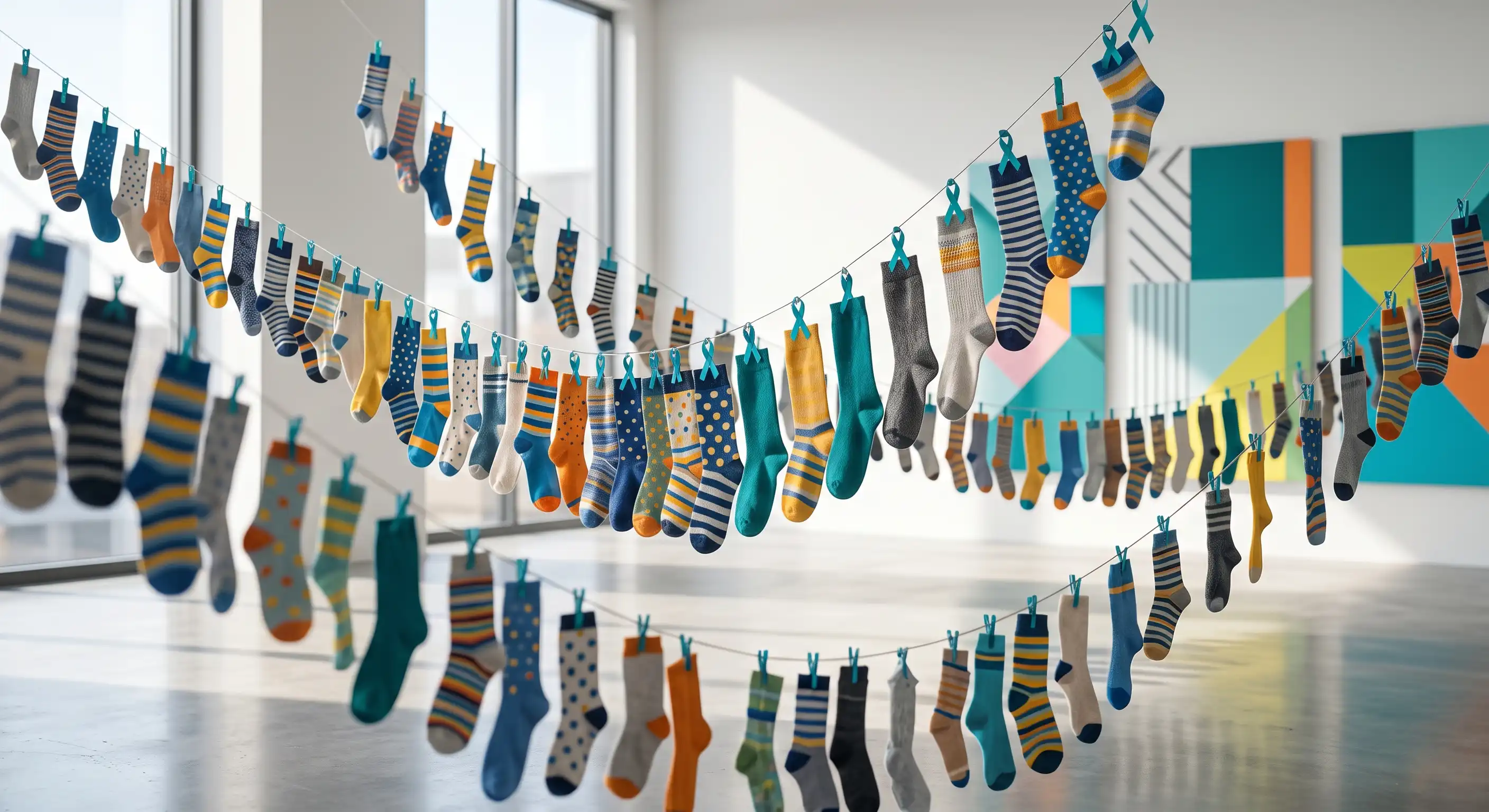
World Down Syndrome Day is observed every year on March 21. The date 3/21 was chosen to symbolise the triplication (three copies) of chromosome 21, which is the genetic cause of most cases of Down syndrome. The day raises awareness about the rights, abilities, and inclusion of people with Down syndrome in all areas of life.
Down syndrome is a genetic condition that occurs when a baby is born with an extra copy of chromosome 21, known medically as trisomy 21. It is one of the most common chromosomal differences worldwide, occurring in about 1 in 700 to 1,000 births. People with Down syndrome may have some degree of intellectual disability, characteristic facial features, and a higher chance of certain health conditions, but with early support they can learn, communicate, go to school, work, and participate actively in family and community life.
History and recognition
World Down Syndrome Day was first observed by advocacy groups in the early 2000s and was officially recognised by the United Nations General Assembly in 2012. Since then, March 21 has been marked around the world with the slogan “Leave no one behind” and other yearly themes focusing on inclusion, equality, and respect.
On this day, families, self-advocates, disability organisations, schools, healthcare professionals, and policymakers come together to organise awareness walks, seminars, cultural events, social media campaigns, and policy dialogues. Many people take part in the symbolic “odd socks” or colourful socks campaign to celebrate diversity and remind others that being different is something to be valued, not hidden.
Why it matters
Despite progress, many children and adults with Down syndrome still face stigma, low expectations, and discrimination. They may be denied admission to mainstream schools, excluded from community activities, or given little opportunity to make their own choices. Access to early intervention, speech therapy, physiotherapy, occupational therapy, inclusive education, and appropriate healthcare is uneven, especially in low- and middle-income countries.
World Down Syndrome Day matters because it highlights that people with Down syndrome are individuals with abilities, feelings, and rights. The day promotes:
Inclusive education
- supporting children with Down syndrome to learn in regular schools with proper support.
Accessible healthcare
- regular heart
- thyroid
- vision
- hearing
- and development check-ups.
Family support
- counselling
- parent training
- and peer groups so that families do not feel alone.
Employment and adult life
- opportunities for vocational training
- supported employment
- and independent or supported living.
In Bangladesh
In Bangladesh, awareness of Down syndrome is gradually increasing, but many families still receive little information at the time of diagnosis. Some parents may initially feel shock, guilt, or fear about their child’s future. Social stigma and misconceptions can lead to hiding the child at home, missing early stimulation, and delaying school admission.
Organisations such as the Society for the Welfare of Intellectually Disabled Citizens (SWID Bangladesh) and other disability rights groups run special and inclusive education programmes, early intervention centres, therapy services, and parent support groups for children with Down syndrome and other intellectual disabilities. They work to promote inclusive schooling, community acceptance, and skills training for adolescents and adults.
On World Down Syndrome Day in Bangladesh, awareness programmes are held in schools, special education centres, hospitals, and community halls. Activities may include cultural events featuring children and adults with Down syndrome, seminars for teachers and health workers, television talk shows, and social media campaigns in Bangla to reduce stigma. Parents share their experiences to show that with love, early intervention, and inclusive opportunities, children with Down syndrome can learn, form friendships, and make valuable contributions to society.
Strengthening early screening and referral through maternity hospitals and paediatric clinics, expanding therapy and inclusive education services beyond big cities, and enforcing disability rights laws are key priorities. By joining the global World Down Syndrome Day movement, Bangladesh aims to build a more inclusive society where every person with Down syndrome is respected, supported, and able to participate fully in family and community life.
Frequently asked questions
- Why is World Down Syndrome Day on March 21?
- World Down Syndrome Day is on March 21 (3/21) because the date symbolises the triplication, or three copies, of chromosome 21, which is the genetic cause of most cases of Down syndrome.
- What causes Down syndrome?
- Down syndrome is caused by an extra copy of chromosome 21, known medically as trisomy 21. It usually happens by chance at conception and is not caused by anything the parents did or did not do.
- Can people with Down syndrome go to regular school?
- Many children with Down syndrome can attend regular schools if they receive appropriate support, such as special education services, a supportive classroom environment, and cooperation between teachers and families.
- What health checks are important for a child with Down syndrome?
- Children with Down syndrome should have regular check-ups for heart problems, thyroid function, hearing, vision, growth, and development, based on guidance from their paediatrician or specialist.
- How can families support a child with Down syndrome?
- Families can support their child by giving love and encouragement, seeking early intervention and therapies, working closely with teachers and doctors, and joining parent support groups to share experiences and practical advice.