

Medicine Guides
Coralcal DX 600 mg Price in Bangladesh: Uses and Safety
Coralcal DX 600 mg combines calcium and vitamin D to support bone health. Learn how it works, common side effects, and when you should see a doctor.
7 min read
We are actively adding and checking records. If something is missing or looks wrong, please tell us, our team is working through reports. Report it
Confused about Filmet 400 for diarrhoea, how it compares with Filmet 200 or 500, and what side effects to expect? This guide explains the basics in plain language.

Filmet 400 is described in different places in different ways, but many people in Bangladesh hear about it as a tablet used for diarrhoea and see several strengths like Filmet 200, 400 and 500 in prescriptions. This guide brings together the key points from the source material so you can discuss Filmet safely with your doctor or pharmacist.
Filmet 400 is often mentioned in the context of treating diarrhoea and other gastrointestinal discomfort. It is described as helping to reduce the number of loose stools and improve stool consistency so that day‑to‑day life is less interrupted by frequent trips to the toilet.
Some sections of the source also discuss Filmet 400 more generally as a modern medicine used for various health conditions, and refer to it as part of wider treatment strategies. Because there are conflicting descriptions, it is important to check the exact pack and leaflet in your hand and confirm the indication with your prescriber or pharmacist before taking any dose for diarrhoea.
If you have ongoing symptoms such as abdominal pain, bloating or heartburn together with diarrhoea, you may also find background information in our article on gastric problems helpful when you speak with a doctor.
The source explains that Filmet 400 acts on the intestines to help restore more normal bowel movements. It is described as reducing fluid secretion in the gut and decreasing intestinal motility, which allows the body to absorb more fluid and electrolytes and leads to firmer stools.
By targeting both the urgency and the frequency of bowel movements, Filmet 400 can provide relief in different types of diarrhoea episodes, including short‑lasting (acute) or longer‑term (chronic) symptoms as described in the text. During any diarrhoea illness it remains important to drink enough fluids or oral rehydration solutions; you can read more about this in our guide on ORS in diarrhoea.
The same source also contains a section saying Filmet is “not commonly recognized as a treatment for diarrhoea”, which shows how confusing medicine information can become when names or formulations vary. Because of this, always match the strength and form written on your prescription with the information on your medicine strip, and ask a doctor or pharmacist to confirm its correct use.
For adults, the source describes a typical recommendation of starting with a 400 mg dose taken as needed, and not exceeding a maximum daily limit. It also notes that the interval between doses and the total amount in a day should depend on how severe the diarrhoea is and how you respond to the first dose.
For children, the same text clearly states that dosing differs by age and weight and must be tailored by a healthcare professional. It does not provide exact paediatric dose figures, and stresses that parents should not guess a dose or copy an adult schedule for a child.
Whatever your age, do not change the dose by yourself. Let your doctor know if your diarrhoea is not improving after the first doses or if it keeps coming back. Long‑lasting or recurrent loose motion may need assessment by an internal medicine doctor or a child specialist rather than only repeating tablets.
The source compares several strengths: Filmet 200, Filmet 400 and Filmet 500. The main focus is on how the higher strengths are used when symptoms are more severe or not controlled with lower doses.
| Strength | How it is described | When it may be considered |
|---|---|---|
| Filmet 200 | Lower dose formulation. | For milder diarrhoea where a smaller amount of medicine may be enough. |
| Filmet 400 | Higher strength often used as a starting dose in adults. | For more troublesome diarrhoea or when better control is needed compared with 200 mg. |
| Filmet 500 | Even higher dose with stronger effect. | For more acute or chronic cases that did not improve adequately with lower doses, as described in the source. |
The text also warns that with higher strengths like Filmet 400 and especially Filmet 500, the chance of side effects can increase. That is why the choice between 200, 400 or 500 mg should be made together with a healthcare professional who knows your medical history and current symptoms.
Several possible side effects are listed in the source. These include nausea, vomiting and abdominal pain, as well as dizziness, drowsiness, fatigue and even diarrhoea itself while the body adjusts to the medicine.
Some people may also notice constipation or other gastrointestinal discomfort when the medicine slows bowel movement too much. Rarely, allergic‑type reactions such as rash, itching or swelling are mentioned. Because these reactions can vary in intensity and duration from person to person, the source repeatedly advises patients to monitor their symptoms closely while taking Filmet 400.
If you are using other medicines at the same time, it is also important to think about how they could interact. For a general explanation of how different medicines can affect each other, see our article on understanding drug interactions and share your full medicine list with your doctor or pharmacist.
The source clearly recommends seeking medical help if diarrhoea does not get better or becomes worse despite taking Filmet 400. Warning signs include severe abdominal pain, signs of dehydration (such as feeling very weak, producing little urine or feeling dizzy when standing) and any blood in the stool.
It also suggests contacting a healthcare professional if you notice unusual dizziness, persistent fatigue or any other reaction that feels different from your usual state of health. Before starting Filmet 400, people with pre‑existing health problems or those already on several medicines are advised to discuss risks, possible interactions and dose adjustments with their doctor.
For some patients, especially those with complicated or long‑standing digestive problems, a referral to a specialist such as a gastrointestinal surgeon or other gut specialist may be needed for further tests or treatment planning.
The precautions section in the source highlights several practical steps. It advises taking Filmet exactly as prescribed, not starting or stopping it on your own, and avoiding self‑medication with repeated courses without medical review. It also recommends regular follow‑up for people with other medical conditions, including kidney or liver problems, so that doctors can monitor for side effects and adjust treatment if needed.
Always tell your healthcare provider about all the medicines and supplements you use, and mention any past history of allergy or unusual reactions to medicines. If you are pregnant, breastfeeding, elderly or caring for a child with diarrhoea, this information is especially important so that your doctor can decide whether Filmet 400 is appropriate or if a different approach is safer.
Finally, remember that no article can replace an individual consultation. Use this information as a starting point for a better conversation with your doctor or pharmacist about Filmet 400, its benefits and its risks in your specific situation.
Coralcal DX 600 mg combines calcium and vitamin D to support bone health. Learn how it works, common side effects, and when you should see a doctor.
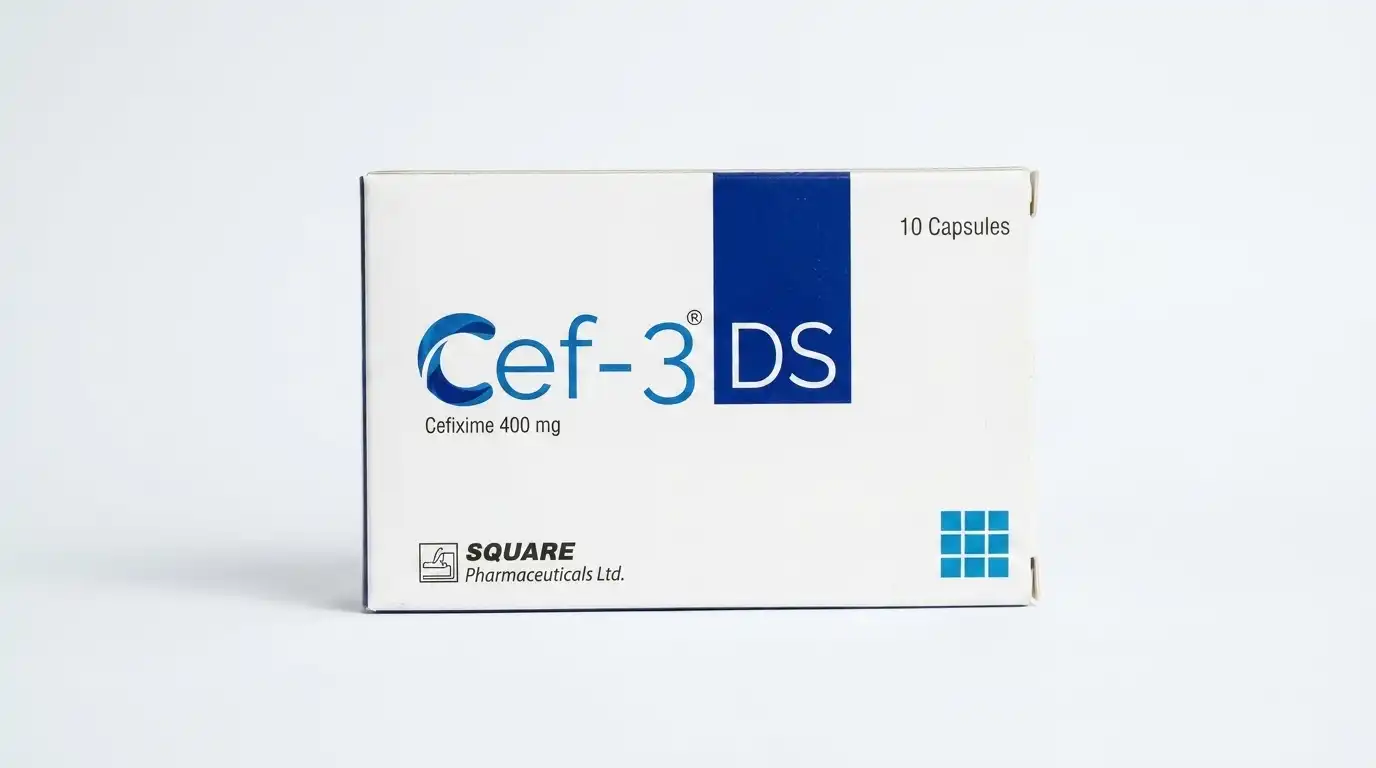
Many people search Cef 3 400 mg price before buying, but it is more important to know what this antibiotic is, how to take capsule or syrup, and when to see a doctor.

Fenadin 120 mg price in Bangladesh, uses, dose, side effects and safety tips. Learn how this fexofenadine allergy tablet helps sneezing, sinus and dust allergy.