
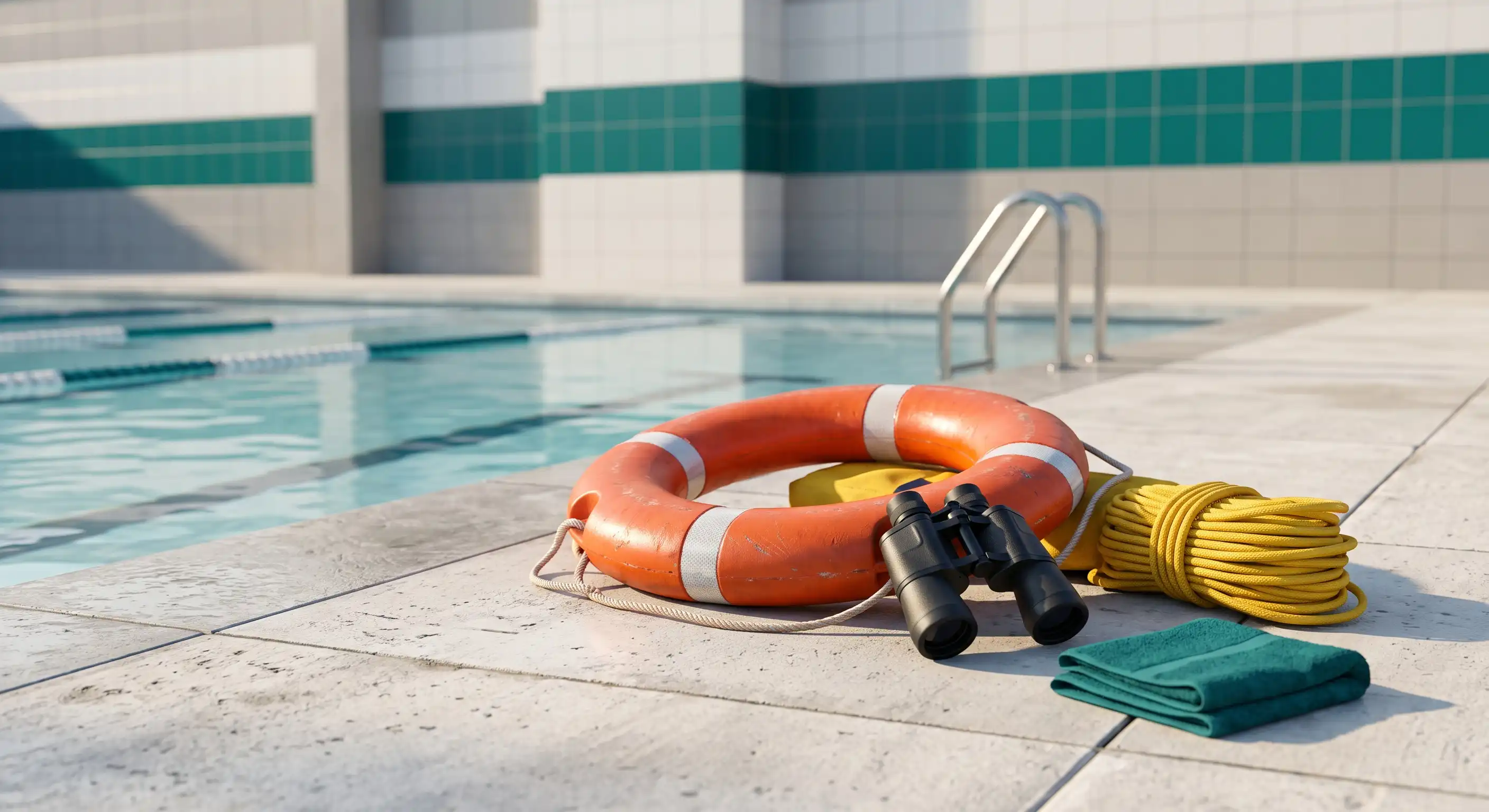
World Drowning Prevention Day is observed every year on 25 July to draw global attention to drowning, a major but often neglected cause of preventable death. Every year, an estimated hundreds of thousands of people lose their lives by drowning in rivers, ponds, lakes, seas, wells, ditches and even small water containers. Many of these deaths occur suddenly, close to home and without media coverage, which is why drowning has long been described as a “silent epidemic”.
History
In April 2021, the United Nations General Assembly adopted a resolution on global drowning prevention and proclaimed 25 July as World Drowning Prevention Day. This was the first UN resolution dedicated solely to drowning, reflecting growing evidence from the World Health Organization (WHO) and partner organisations that drowning is a leading cause of injury-related death in many low- and middle-income countries.
The resolution called on governments, civil society, the private sector and communities to work together to reduce drowning through evidence‑based, low‑cost interventions. It recognised that drowning is linked not only to everyday activities like bathing, fetching water, washing clothes or playing near open water, but also to floods, cyclones and other water-related disasters that are becoming more frequent with climate change.
Why it matters
Drowning kills an estimated 236,000 people worldwide each year, making it one of the top causes of injury-related death. Children are especially vulnerable: globally, those aged 1–4 years face the highest drowning risk, followed by children aged 5–9. In many rural and riverine communities, drowning kills more young children than diarrhoea, pneumonia or road traffic crashes, yet it receives far less policy attention and funding.
Most drowning deaths are quick and silent. A toddler can slip into a nearby pond or water-filled ditch in seconds if left unsupervised, and small children can drown in very shallow water. Families often live close to unprotected water bodies, and parents may be busy with household chores or work, making constant supervision difficult. Limited access to swimming lessons, life jackets, safe boats and emergency rescue further increases risk.
The good news is that drowning is highly preventable. Proven interventions include constant, close supervision of young children by a responsible adult, creating safe play areas away from water, covering wells, installing barriers or fencing around ponds and water hazards, teaching school-aged children basic swimming and safe rescue skills, promoting the use of life jackets on boats, and improving emergency response and first aid skills in communities.
Key facts
UN recognition
- World Drowning Prevention Day was established by a UN General Assembly resolution in April 2021 and is observed annually on 25 July.
Global burden
- drowning kills an estimated 236
- 000 people worldwide each year
- with a large proportion of deaths occurring in low- and middle-income countries.
Children at risk
- children aged 1–4 years face the highest drowning risk globally
- especially in settings where homes are close to open water.
Everyday settings
- most drowning incidents happen close to home during routine activities such as bathing
- playing or travelling by boat—not only during extreme weather events.
Preventable deaths
- simple
- low‑cost measures such as supervision
- barriers
- swimming lessons and community childcare can prevent most child drowning deaths.
In Bangladesh
Bangladesh, with its dense network of rivers, canals, ponds and wetlands, is one of the countries most affected by child drowning. For children aged 1–4 years, drowning is among the leading causes of death. Many families live just a few metres from open water, and young children often play near ponds or ditches without continuous adult supervision, especially when parents are working in the fields or busy with household tasks.
Research from Bangladesh has shown that community-based childcare centres or crèches—often known as “Anchal” centres—where young children stay under trained supervision during the day, can dramatically reduce drowning deaths in rural areas. In addition, supervised swimming and survival‑swimming programmes for older children have helped them learn basic skills such as floating, safe entry and exit, and how to call for help rather than attempting risky rescues.
On World Drowning Prevention Day, government agencies, NGOs and community organisations in Bangladesh organise rallies, awareness sessions, media campaigns and demonstrations on rescue and resuscitation. Messages focus on never leaving young children alone near water, using community crèches, creating barriers around household ponds, ensuring that boats are not overcrowded and that children wear life jackets where possible, and teaching older children to swim safely.
For families, the central message is clear: a few simple precautions—watching young children closely, keeping them in safe play areas away from water, and enrolling them in community programmes—can mean the difference between life and death. By recognising drowning as a major public health issue and acting together at community and national levels, many of these tragic and preventable deaths can be averted.
Frequently asked questions
- When was World Drowning Prevention Day established?
- World Drowning Prevention Day was established by a United Nations General Assembly resolution in April 2021 and has been observed every year on 25 July since then.
- Why is drowning a major concern in Bangladesh?
- Bangladesh has a dense network of rivers, ponds, canals and wetlands, and many homes are located very close to open water. Combined with limited adult supervision in rural areas and a lack of barriers around ponds or ditches, this makes drowning one of the leading causes of death among young children, especially those aged 1–4 years.
- How can families help prevent children from drowning?
- Families can reduce drowning risk by ensuring constant close supervision of young children, keeping them in safe play areas away from water, covering or fencing wells and ponds where possible, enrolling children in community crèches during the day, teaching older children to swim safely, and encouraging the use of life jackets when travelling by boat.