
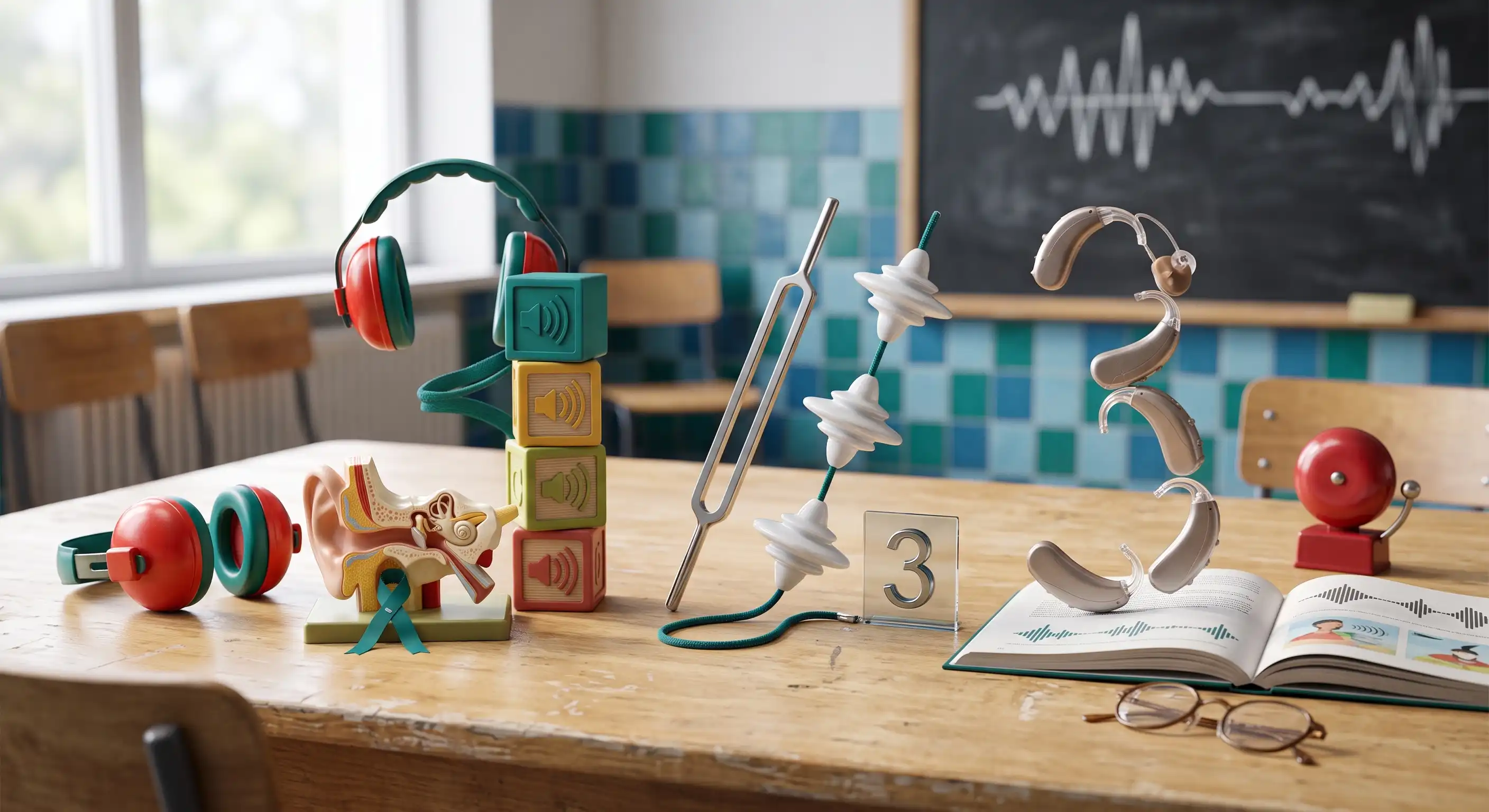
World Hearing Day is observed every year on 3 March to raise awareness about hearing loss, ear disease, and the importance of timely hearing care across the life course. Led by the World Health Organization (WHO), it brings governments, ENT specialists, audiologists, educators, and communities together to promote safe listening, early detection, and access to hearing devices and rehabilitation. The day reminds people that good hearing and communication are vital for education, work, social connection, and mental health, and that most causes of avoidable hearing loss can be prevented with simple, practical measures.
Why it matters
Hearing loss affects people of all ages and can develop slowly, so many live for years without diagnosis or support. Children with untreated hearing problems may struggle to learn to speak clearly, fall behind at school, and face bullying or isolation. Adults with hearing loss may withdraw from conversations, find it hard to keep jobs, and experience loneliness, anxiety, or depression. In many countries, hearing care is not yet integrated into primary health services, and hearing aids or cochlear implants remain unaffordable for most people who need them.
World Hearing Day matters because it shows that nearly half of all cases of hearing loss are preventable. Common causes include long-term exposure to loud noise from music players, traffic, factories, and construction; untreated ear infections; complications at birth; certain medicines; and ageing. Simple actions such as immunisation against childhood infections, safe childbirth practices, prompt treatment of ear discharge, avoiding insertion of objects or unprescribed ear drops into the ear, and following safe listening rules for music and noisy workplaces can reduce risk. The day also calls for stronger policies so that screening, hearing tests, assistive technologies, sign language services, and rehabilitation are available and accessible to everyone.
History
World Hearing Day grew out of WHO’s earlier initiative known as International Ear Care Day, which was first observed on 3 March to draw attention to preventable causes of hearing loss. As awareness and research grew, WHO broadened the focus from ear care alone to the entire spectrum of hearing health, including communication, assistive devices, and rehabilitation. To reflect this wider perspective and to align with the World Report on Hearing, the observance was renamed World Hearing Day.
Over the years, each World Hearing Day has carried a specific theme to guide national campaigns, focusing on early detection in children, safe listening for young people, integration of ear and hearing care into primary health care, and the economic benefits of investing in hearing services. Governments, professional associations, NGOs, schools, and community groups organise seminars, free hearing checks, media campaigns, and social media activities. As more countries adopt hearing strategies and legislation, World Hearing Day has become a central moment in the global calendar for mobilising political will and resources for hearing health.
Common conditions
- age related hearing loss
- noise induced hearing loss
- chronic ear infections
- ear drum perforation
- ear wax blockage
- congenital hearing loss
- balance disorders
Global burden
- large numbers with some hearing difficulty
- many needing hearing care
- higher impact in low resource settings
- significant education and employment losses
Risk factors
- loud music and noise
- untreated ear infections
- birth complications
- certain medicines
- head injuries
- ageing
- lack of routine hearing checks
Prevention methods
- safe listening habits
- early treatment of ear infections
- childhood vaccinations
- use of ear protection
- avoiding harmful self treatment
- regular hearing screening
Who is affected
- newborns and children
- school students
- factory and transport workers
- older adults
- people in noisy cities
- families and caregivers
In Bangladesh
In Bangladesh, ear and hearing problems are common but often under-recognised. Chronic ear infections, especially in children, can lead to long-term hearing loss if discharge and pain are ignored or treated late. Many people work in noisy environments such as garment factories, transport hubs, workshops, and construction sites without adequate ear protection, increasing the risk of noise-induced hearing loss. Limited awareness about safe listening, the habit of inserting sticks or unsterile objects into the ear, and delayed care at health facilities all contribute to preventable damage.
World Hearing Day offers an important opportunity in Bangladesh to highlight these issues and promote practical solutions. ENT specialists, audiologists, and public health programmes use the day to encourage parents to seek care promptly if a child has ear discharge, fever, delayed speech, or does not respond to sounds. Campaigns focus on teaching safe listening habits to young people who use headphones or attend loud events, and on informing workers and employers about the importance of ear protection and regular hearing checks in noisy workplaces.
Medical college hospitals, specialised ENT and audiology centres, and some NGOs organise free hearing screening camps, awareness seminars, school-based ear check-ups, and media programmes around 3 March. Efforts are growing to train primary health care workers to recognise common ear problems, provide basic treatment, and refer complicated cases. There is also increasing attention to making hearing aids and other assistive devices more affordable and to supporting people with hearing loss through inclusive education and communication options, including sign language. By linking these local initiatives to the global World Hearing Day movement, Bangladesh aims to reduce avoidable hearing loss and ensure that people with hearing difficulties can participate fully in family, education, and work life.
Frequently asked questions
- What is World Hearing Day and when is it observed?
- World Hearing Day is a global health observance held every year on 3 March, led by the World Health Organization to raise awareness about ear and hearing care and the prevention of avoidable hearing loss.
- How many people are affected by hearing loss worldwide?
- A very large number of people across the world live with some degree of hearing difficulty, and many of them do not receive timely diagnosis, hearing tests or assistive devices, especially in low and middle income countries.
- Why is World Hearing Day important?
- World Hearing Day is important because untreated hearing loss affects education, work opportunities, communication and mental health, while many causes are preventable. The day encourages action to integrate ear and hearing care into health systems for everyone.
- Can hearing loss be prevented and treated?
- Many cases of hearing loss can be prevented through safe listening, childhood vaccinations, prompt treatment of ear infections and avoiding harmful self treatment, and those with hearing loss can often benefit from hearing aids, implants, therapy and rehabilitation.
- How is World Hearing Day different from other health awareness days?
- World Hearing Day focuses specifically on ear and hearing health, highlighting safe listening, early detection, hearing devices and communication support, rather than on general disability or noncommunicable diseases alone.
- What is Bangladesh doing to address hearing problems?
- In Bangladesh, ENT and audiology services, hospitals and NGOs use World Hearing Day to run awareness programmes and screening camps, while efforts are growing to train primary health workers, expand hearing services and improve access to affordable hearing aids.