
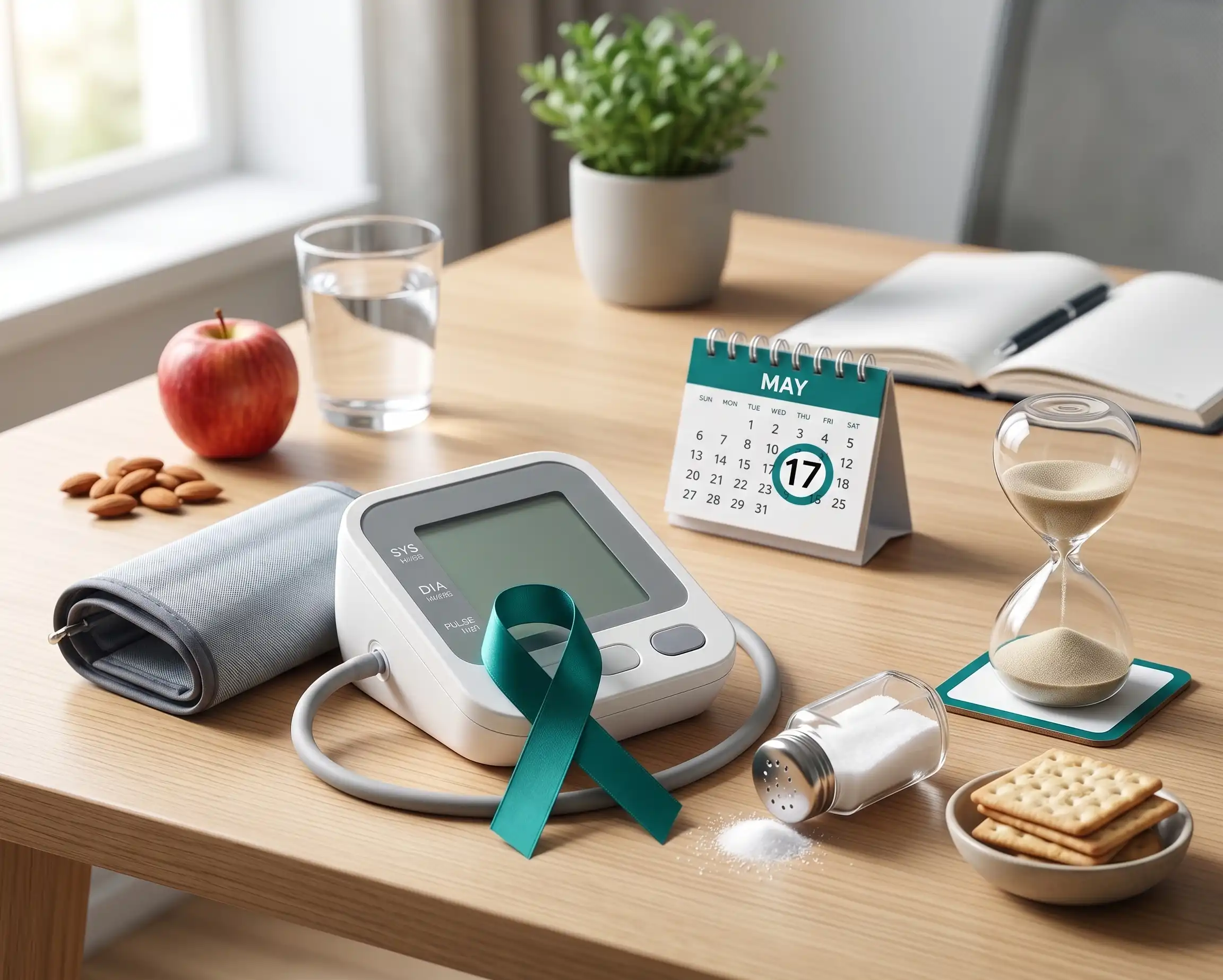
World Hypertension Day is observed each year on 17 May to draw global attention to high blood pressure (hypertension) as a leading, yet often silent, cause of heart disease, stroke and premature death. The initiative is led by the World Hypertension League in collaboration with the International Society of Hypertension and is supported by the World Health Organization (WHO) and national heart and blood pressure societies in many countries.
Why it matters
Hypertension is known as a ‘silent killer’ because most people do not feel any symptoms until serious damage has already occurred to the heart, brain, kidneys or blood vessels. Uncontrolled high blood pressure greatly increases the risk of heart attack, stroke, heart failure, kidney failure, vision problems and vascular dementia. Many people with hypertension are undiagnosed, and among those diagnosed, a large proportion do not achieve good control due to lack of awareness, irregular follow-up or poor adherence to medicines.
Common risk factors include excessive salt intake, unhealthy diet rich in fried and ultra-processed foods, physical inactivity, obesity, stress, smoking, alcohol misuse, older age and family history. Other conditions like diabetes, high cholesterol and kidney disease further increase overall cardiovascular risk. World Hypertension Day reminds governments, health professionals and the public that measuring blood pressure is simple and inexpensive, and that timely diagnosis and treatment can prevent many heart attacks and strokes.
History
The World Hypertension League introduced World Hypertension Day in the early 2000s to improve public understanding of high blood pressure and to promote better detection and control worldwide. Over time, the day’s campaigns have focused on themes such as “Know Your Numbers”, “Healthy Blood Pressure – Healthy Heart” and “Measure Your Blood Pressure Accurately, Control It, Live Longer”. Activities encourage adults to check their blood pressure at health centres, pharmacies or community screening camps and to follow medical advice when readings are high.
World Hypertension Day is closely aligned with global efforts to reduce noncommunicable diseases (NCDs), especially heart disease and stroke. It supports the WHO target of significantly lowering premature deaths from NCDs by improving prevention and control of risk factors like blood pressure, tobacco use, unhealthy diet and physical inactivity.
Key facts
Silent condition
- most people with hypertension have no clear symptoms; headache
- dizziness or nosebleeds are not reliable signs.
Diagnosis
- hypertension is usually diagnosed when blood pressure is consistently at or above recommended cut‑offs on several occasions
- measured with a validated device in proper conditions.
Modifiable risks
- reducing salt intake
- eating more fruits and vegetables
- maintaining a healthy weight
- exercising regularly
- not smoking and limiting alcohol can all help lower blood pressure.
Treatment
- many safe and effective medicines are available; they often need to be taken daily for long periods
- along with lifestyle changes.
Long‑term care
- regular follow-up with a doctor or clinic is important to monitor blood pressure
- adjust treatment and check for complications.
In Bangladesh
In Bangladesh, hypertension is a major public health challenge. Rapid urbanisation, reduced physical activity, high consumption of white rice, salty and fried foods, and increasing stress have contributed to rising blood pressure levels among adults in both urban and rural areas. Many people do not check their blood pressure regularly and may first learn about hypertension only after a heart attack or stroke.
On World Hypertension Day, government agencies, cardiac societies, hospitals and NGOs organise awareness programmes, free blood pressure screening camps, media discussions and community sessions. Messages focus on checking blood pressure at least once a year for healthy adults and more frequently for those with risk factors, reducing salt in home cooking and packaged foods, avoiding extra salt at the table, walking or exercising most days of the week, quitting smoking, limiting sugary drinks and managing stress through relaxation and adequate sleep.
Primary care centres and NCD clinics in Bangladesh are increasingly incorporating routine blood pressure measurement and long-term follow-up into their services. The day also highlights the need for affordable medicines, patient counselling in simple language and family-based lifestyle changes so that people can control their blood pressure and protect their hearts, brains and kidneys over the long term.
Frequently asked questions
- What is hypertension?
- Hypertension, or high blood pressure, is a condition in which the force of blood pushing against the walls of the arteries is consistently too high, which over time can damage the heart, brain, kidneys and blood vessels.
- Does high blood pressure always cause symptoms?
- No. Most people with high blood pressure feel normal and do not have clear symptoms. That is why regular blood pressure measurement is important, even if you feel well.
- How can I reduce my blood pressure naturally?
- You can help lower blood pressure by reducing salt in your food, eating more fruits and vegetables, keeping a healthy body weight, walking or exercising regularly, avoiding tobacco and limiting alcohol, managing stress and sleeping well. In many cases, medicines prescribed by a doctor are also needed.